

Why Do Homes in Woodstock, New Paltz, and the Hudson Valley Grow So Much Algae?
Why Do Homes in Woodstock, New Paltz, and the Hudson Valley Grow So Much Algae?
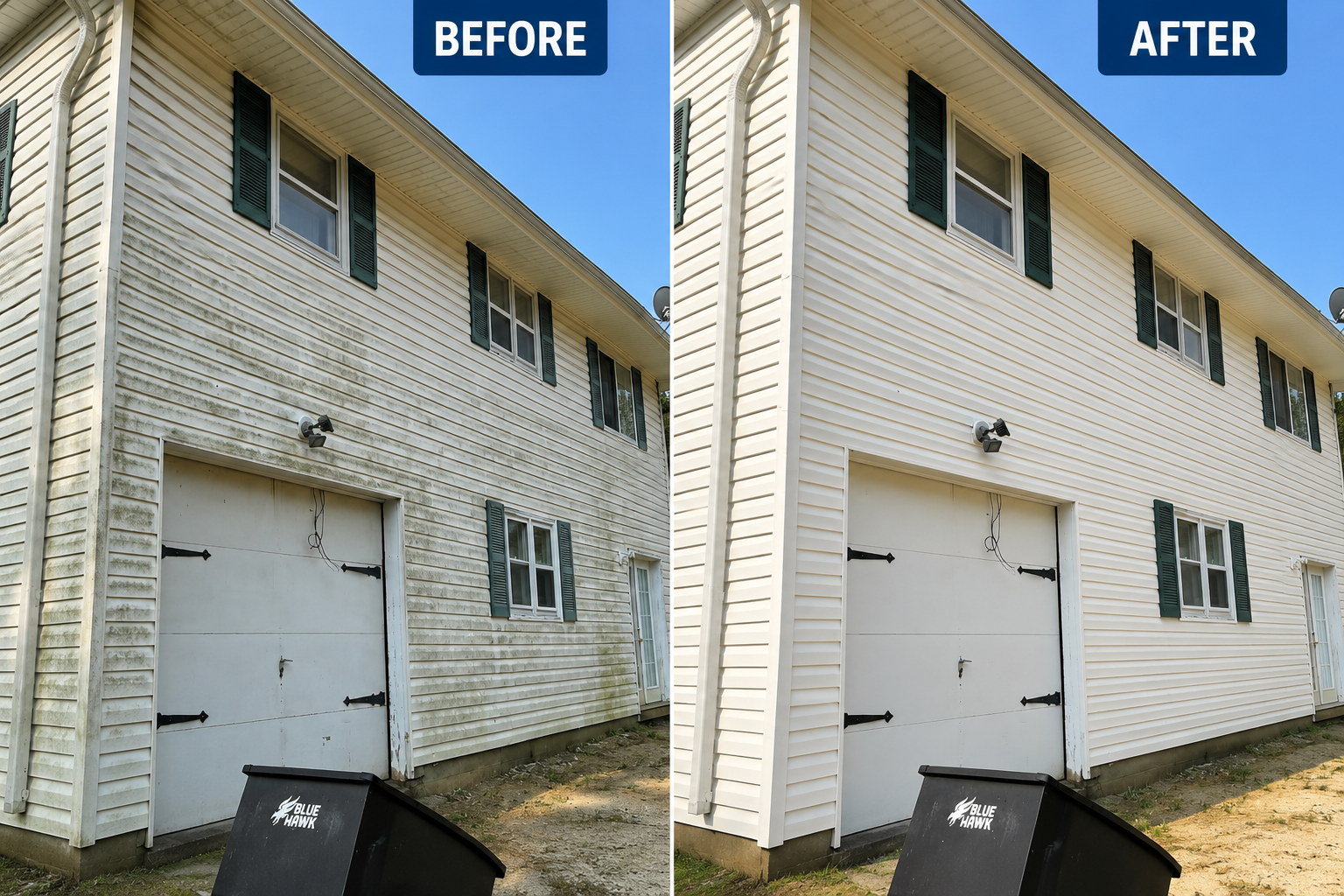
If you live in areas like Woodstock, New Paltz, Rhinebeck, Red Hook, or Saugerties, your home is far more likely to develop green algae, mildew, moss, and organic staining than homes in drier or less wooded areas. The biggest reasons are heavy tree coverage, constant shade, trapped moisture, humidity, and proximity to creeks, lakes, wetlands, and the Hudson River.
The Hudson Valley creates ideal conditions for algae growth, especially on north-facing siding and homes surrounded by woods.
Why the Hudson Valley Creates Perfect Conditions for Algae Growth
Many homes throughout the Hudson Valley are surrounded by:
Mature trees
Dense woods
Mountain shade
Wet ground conditions
Long periods of morning dew
High humidity
Limited direct sunlight
That combination keeps siding damp longer than homeowners realize.
Algae and mildew thrive when surfaces stay wet for extended periods. Once organic buildup starts growing, it spreads quickly, especially during humid summer months.
This is one reason homes in the Hudson Valley often turn green faster than homes in more open suburban areas.
Why Woodstock Homes Grow Heavy Algae
Woodstock is one of the most heavily wooded communities in the Hudson Valley.
Many homes there are:
Tucked deep into tree lines
Surrounded by mountain shade
Located near streams or damp ground
Hidden under large pine and hardwood canopies
That shade may look beautiful, but it dramatically slows drying after rain, humidity, or morning dew.
In Woodstock, it’s common to see:
Green siding
Black mildew staining
Moss growth
Roof algae
Slippery walkways
Heavy pollen buildup
North-facing walls often stay damp almost all day in some wooded areas.
Why New Paltz Homes Grow Algae So Quickly
New Paltz has a mix of wooded neighborhoods, mountain moisture, and heavy seasonal humidity coming off the ridge areas around the Shawangunks.
Homes near:
Forested lots
Wet low areas
Heavily shaded backyards
Tree-covered neighborhoods
tend to hold moisture much longer.
Properties closer to wooded hiking areas or near Mohonk-region environments often experience algae buildup much faster than homeowners expect.
The problem becomes even worse when:
Gutters overflow
Trees hang directly over the roof
Airflow around the home is limited
Siding rarely gets direct sun
Why Red Hook, Rhinebeck, and Saugerties Also Struggle With Algae
Many people assume algae problems only happen in mountain towns, but areas like Red Hook, Rhinebeck, and Saugerties also deal with major organic buildup issues.
These areas often have:
Large wooded estates
Historic tree-lined properties
Homes near ponds or creeks
Wet ground conditions
Dense landscaping
Long shaded driveways
High humidity near the Hudson River
Properties near large bodies of water usually experience:
More moisture in the air
Longer drying times
Increased mildew growth
Faster algae spread
Even beautiful landscaping can accidentally create algae conditions by trapping moisture against siding and limiting airflow.
Why Shade Makes Such a Big Difference
Sunlight naturally helps dry siding and slow algae growth.
The problem is many Hudson Valley homes barely receive full sunlight on certain walls.
Areas most likely to grow algae include:
North-facing siding
Behind bushes
Under roof overhangs
Near tree lines
Areas blocked by neighboring woods
Sections near gutters or downspouts
Once moisture sits on siding consistently, algae spores begin feeding on organic material, pollen, and dirt attached to the surface.
That’s why homes can look clean one season and suddenly appear green the next.
Pollen Also Feeds the Problem
The Hudson Valley gets heavy pollen seasons every spring.
That yellow pollen layer does more than just make homes look dirty. It can actually help feed algae and mildew growth when combined with moisture.
Wooded towns like Woodstock, Rhinebeck, New Paltz, and Saugerties often get hit especially hard because of:
Pine trees
Dense hardwoods
Long pollen seasons
Humid summer conditions
When pollen sticks to damp siding, algae growth can accelerate fast.
Why Some Homes Stay Cleaner Than Others
Not every home in the same town grows algae equally.
Homes that stay cleaner usually have:
More direct sunlight
Better airflow
Less tree coverage
Drier soil conditions
Less nearby vegetation
Proper gutter drainage
Meanwhile, homes buried in shade may need cleaning far more often.
In some heavily wooded Hudson Valley locations, yearly maintenance cleaning makes sense simply because of the environment around the home.
Is the Green Buildup Actually Damaging?
Usually, algae itself starts as more of a cosmetic issue, but over time organic buildup can:
Trap moisture against surfaces
Create staining
Make walkways slippery
Contribute to premature aging
Increase roof discoloration
Hold dirt and debris against siding
Heavy organic buildup can also hide damaged areas homeowners may not notice right away.
DIY Tips for Homeowners
There are a few things homeowners can do to slow algae growth:
Trim back overhanging branches
Improve sunlight exposure when possible
Keep gutters flowing properly
Rinse pollen buildup occasionally
Reduce vegetation touching siding
Improve airflow around damp areas
However, homeowners should avoid blasting siding with high pressure.
Improper pressure washing can:
Force water behind siding
Cause oxidation damage
Leave streaks
Crack older siding
Damage trim or seals
Soft washing is usually the safer approach because it relies more on specialized cleaning solutions and low pressure rather than force.
If you cannot safely keep both feet on the ground, the project may no longer be worth the risk.
What Homeowners Should Watch Out for When Hiring a Contractor
Not all exterior cleaning companies understand how aggressive Hudson Valley organic growth can become.
Homeowners should ask:
Do you soft wash siding?
Do you use high pressure on homes?
How do you protect landscaping?
Have you worked on heavily shaded homes before?
Do you understand oxidation risks?
Are you insured?
Very cheap pricing can sometimes mean:
No insurance
Poor chemical knowledge
Excessive pressure use
No plant protection
Inexperienced operators
Every home reacts differently depending on siding age, oxidation, sun exposure, and buildup severity.
An experienced contractor should understand those differences before cleaning begins.
Why Local Experience Matters in the Hudson Valley
Cleaning homes in the Hudson Valley is different than cleaning homes in dry suburban developments.
A contractor working regularly in places like Woodstock, New Paltz, Rhinebeck, Red Hook, and Saugerties sees firsthand how:
Trees affect moisture
River humidity changes buildup
Shade impacts siding
Pollen feeds algae
Wet seasons accelerate staining
That local experience matters when choosing cleaning methods, timing, and maintenance schedules.
Freedom Powerwash provides professional house washing services throughout the Hudson Valley using soft washing methods designed for heavily wooded and moisture-prone properties. Homes near trees, creeks, wetlands, and river areas often require a different approach than homes in open sunny neighborhoods.
Request a fast, no-pressure quote today through our online form at Get Your Fast Quote Here or call/text 845-812-3222 to speak directly with Freedom Powerwash.
FAQ
Why does my house turn green so quickly in Woodstock?
Heavy tree coverage, shade, humidity, and trapped moisture create ideal algae conditions.
Does living near the Hudson River affect algae growth?
Yes. Large bodies of water increase humidity and slow drying times.
Why is algae worse on one side of my house?
North-facing walls and shaded areas stay damp longer, allowing algae to grow faster.
Can algae damage siding?
Over time, heavy buildup can trap moisture, stain surfaces, and contribute to premature aging.
Is pressure washing safe for algae removal?
Not always. High pressure can damage siding and force water behind panels.
How often should wooded homes be washed?
Many heavily shaded Hudson Valley homes benefit from yearly cleaning.
Does pollen make algae worse?
Yes. Pollen provides organic material that can feed mildew and algae growth.
What is the safest way to clean algae from siding?
Soft washing is usually the safest and most effective method for residential homes.


