

Why Does My House Turn Green So Fast in the Hudson Valley?
Why Does My House Turn Green So Fast in the Hudson Valley?
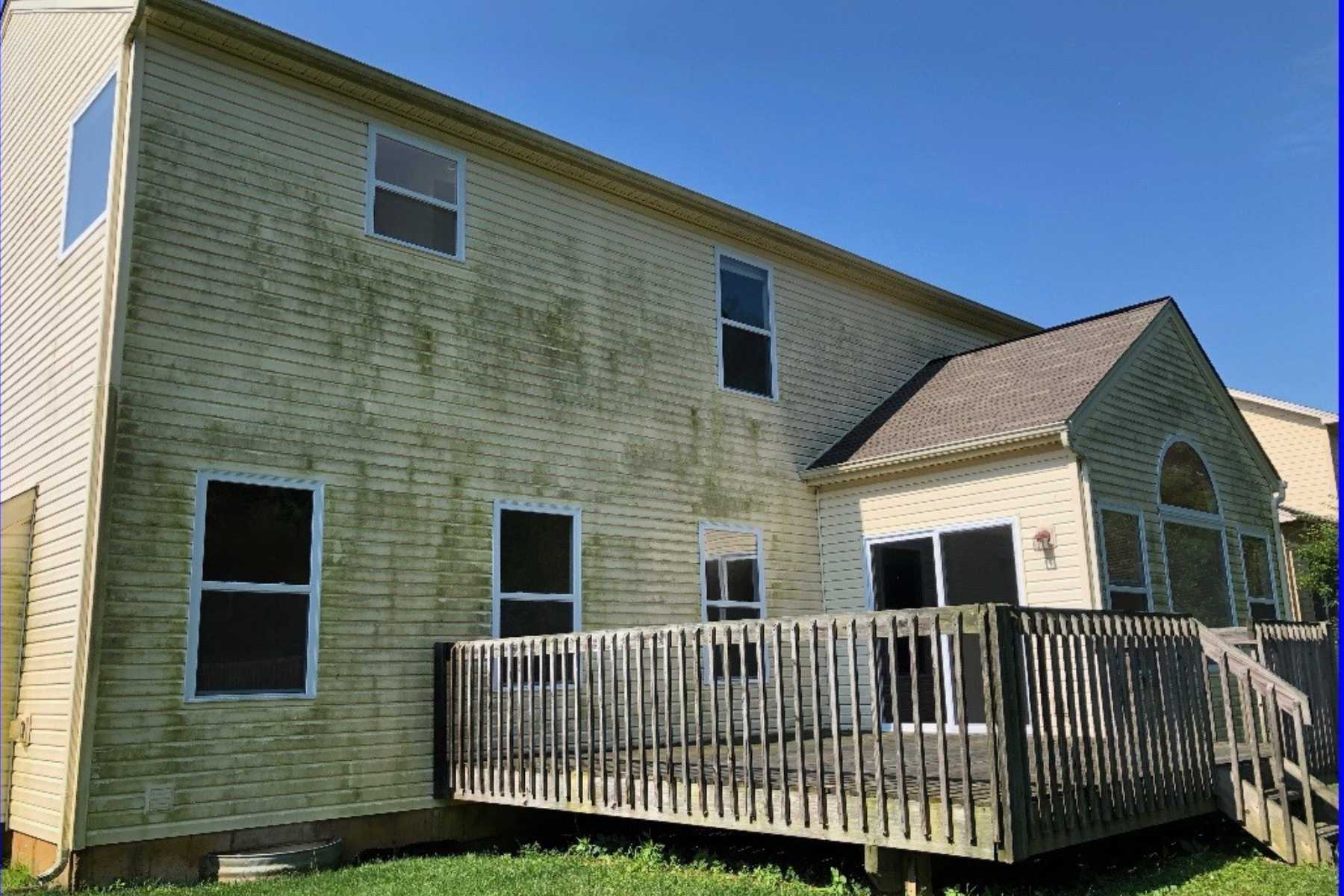
If your house turns green fast in the Hudson Valley, the main reason is moisture. Our area has heavy tree coverage, shaded yards, wet seasons, pollen, and plenty of organic growth. When siding stays damp for too long, algae, mildew, and grime have the perfect place to grow.
This is especially common on north-facing siding, shaded walls, and homes surrounded by trees. In many Hudson Valley towns, the same trees that make a property beautiful also trap moisture against the house.
Why Siding Turns Green So Quickly Here
Green siding is usually caused by algae and mildew feeding on moisture, dirt, pollen, and organic material stuck to the surface.
In the Hudson Valley, homes deal with a perfect mix:
Moist air from seasonal rain and humidity
Shade from trees and wooded lots
Pollen buildup in spring
Leaves and organic debris
Cooler damp areas around hills, woods, and valleys
North-facing walls that do not dry quickly
That green film is not just “dirt.” It is living growth sitting on your siding.
Why North-Facing Siding Gets Green First
The north side of a house usually gets the least direct sunlight. Less sun means the siding stays wet longer after rain, morning dew, snow melt, or humid weather.
That damp surface becomes the first place algae shows up.
You may notice:
The north side turns green before the rest of the house
The lower siding near shrubs gets dirty faster
Areas under trees stay stained longer
Sections near gutters, valleys, or roof drip lines grow algae faster
This is normal in the Hudson Valley, especially on homes in wooded areas like Kingston, Woodstock, Saugerties, Rhinebeck, Stone Ridge, New Paltz, and nearby towns.
Tree Coverage Makes It Worse
Trees are one of the biggest reasons Hudson Valley homes turn green so fast.
Trees create shade, drop pollen, hold moisture, and leave behind organic debris. If branches hang close to the house, they can block airflow and keep siding damp for hours longer than open areas.
The more shade and tree cover you have, the faster algae can return.
This does not mean trees are bad. It just means your home may need more regular exterior maintenance.
Pollen Feeds the Problem
Spring pollen is not just annoying on cars and patio furniture. It also sticks to siding.
Once pollen mixes with moisture, it creates a thin layer of organic buildup. Algae and mildew love that. If it is not rinsed away or cleaned properly, the house can start looking green again faster than expected.
That is why some homes look fine after winter, then suddenly look dirty by late spring or early summer.
Homeowner Prevention Tips
You cannot fully stop algae in a damp, wooded area, but you can slow it down.
Here are smart steps:
Trim branches back from the siding when possible
Keep shrubs from touching the house
Clean out gutters so water does not spill over siding
Rinse heavy pollen off lower siding when safe
Improve airflow around shaded walls
Watch north-facing sides closely
Avoid blasting siding with high pressure
Schedule regular soft washing before buildup gets heavy
A light maintenance cleaning is usually easier and safer than waiting until the house is covered in green growth.
Can I Clean Green Siding Myself?
Yes, sometimes.
If the growth is light and the siding is easy to reach, a homeowner can rinse pollen and surface dirt with a garden hose and a gentle exterior cleaner made for siding.
But be careful.
Avoid using high pressure close to vinyl, wood, painted siding, windows, vents, outlets, and trim. Pressure can force water behind siding, damage seals, leave streaks, or mark the surface.
For two-story homes, heavy algae, oxidation, delicate siding, or hard-to-reach areas, professional soft washing is usually the safer choice.
Why Soft Washing Works Better Than Pressure
Soft washing uses low pressure and the right cleaning solution to kill and remove organic growth. The goal is not to blast the siding. The goal is to treat the source of the green buildup.
That matters because algae can come back faster if the surface is only rinsed instead of properly cleaned.
A good soft wash removes the green growth, breaks down mildew and pollen buildup, and helps the siding stay cleaner longer.
How Often Should a Hudson Valley Home Be Washed?
Most homes in the Hudson Valley should be soft washed every 1 to 2 years.
Homes with heavy shade, lots of trees, north-facing siding, or damp areas may need annual maintenance. Homes with more sunlight and airflow may go longer.
A good rule is simple: if the green starts showing every year, annual maintenance is probably the right schedule.
When Professional Help Makes Sense
Professional soft washing makes sense when:
The house is two stories or higher
The green growth keeps coming back fast
The siding is heavily shaded
There is algae near windows, vents, or electrical areas
The home has delicate siding or painted surfaces
You want the house cleaned safely without high pressure damage
Freedom Powerwash offers soft washing and annual maintenance for Hudson Valley homeowners who want their siding cleaned the right way and kept under control before it gets ugly again.
Contractor Red Flags
Be careful if a contractor says they are going to “pressure wash” your siding with high pressure.
Red flags include:
No mention of soft washing
No plant protection plan
No explanation of cleaning solution
No talk about water intrusion risks
They treat vinyl siding like concrete
They promise the house will never turn green again
In the Hudson Valley, green growth is part of owning a home in a damp, shaded area. The right contractor should be honest about that.
Final Answer
Your house turns green fast in the Hudson Valley because moisture, shade, pollen, trees, and algae all work together. North-facing siding and shaded walls stay wet longer, which gives algae more time to grow.
The best prevention is trimming back vegetation, keeping gutters working, improving airflow, rinsing pollen when safe, and scheduling soft washing before buildup gets heavy.
For homes surrounded by trees or shade, annual soft washing is often the smartest maintenance plan.
Need Help Keeping the Green Off Your House?
Freedom Powerwash helps Hudson Valley homeowners safely clean siding with professional soft washing. If your house keeps turning green every year, we can help you figure out whether you need a full house wash or a simple annual maintenance plan.
Call Freedom Powerwash at 845-812-3222 or visit freedompowerwash.com.
FAQ
Why is only one side of my house green?
Usually because that side gets less sunlight and stays damp longer. The north side is the most common problem area.
Is green siding mold?
Sometimes, but it is often algae or mildew. Either way, it is organic growth and should be cleaned properly.
Will pressure washing remove green algae?
It can remove the visible growth, but high pressure can damage siding. Soft washing is usually safer and more effective.
Why does my house turn green again after cleaning?
If your home has heavy shade, tree coverage, pollen, or poor airflow, algae can return over time. Regular maintenance helps slow it down.
Is annual soft washing worth it?
For shaded Hudson Valley homes, yes. Annual maintenance can keep the house looking cleaner and prevent heavy buildup.


