
Can Pressure Washing Damage Vinyl Siding?
Can Pressure Washing Damage Vinyl Siding?
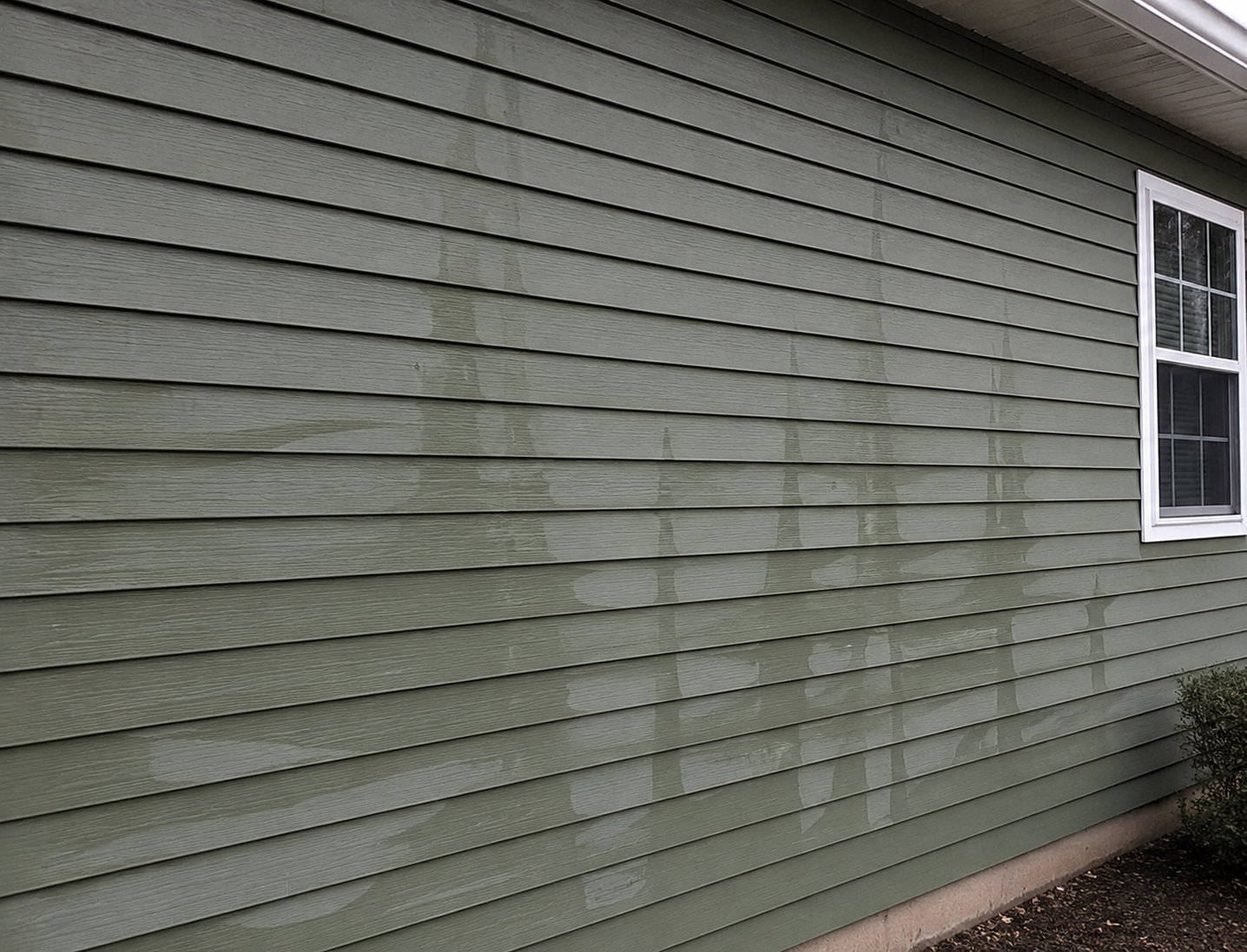
Yes, pressure washing can absolutely damage vinyl siding when it’s done incorrectly. High pressure, improper spray angles, and aggressive cleaning methods can force water behind the siding, strip oxidation, crack panels, and even create hidden moisture problems inside the walls.
That’s why most professional house washing today is done using a soft washing method instead of blasting siding with high pressure.
In the Hudson Valley, where homes deal with heavy moisture, algae, pollen, tree coverage, and long wet seasons, vinyl siding already takes a beating. Too much pressure can quickly turn a simple cleaning into an expensive repair.
The Biggest Risk: Water Intrusion Behind the Siding
Vinyl siding is designed to shed rainwater naturally. It is not designed to stop highly pressurized water being forced upward underneath the panels.
One of the most common mistakes homeowners make is spraying upward at the seams or overlaps. When this happens, water can become trapped behind the siding and potentially lead to:
Mold growth
Rotting wood sheathing
Wet insulation
Interior wall stains
Mildew smells
Long-term moisture damage
This becomes even more dangerous on older Hudson Valley homes where siding may already be loose, brittle, or improperly installed from years ago.
A pressure washer can push a surprising amount of water into places it should never go.
Oxidation Damage Is Extremely Common
Many homeowners think their siding is simply dirty when the real problem is oxidation.
Oxidation happens when sunlight slowly breaks down the outer surface of vinyl siding over time. It often appears as:
Chalky residue
Faded color
White powder rubbing off on your hand
Tiger striping after cleaning
Uneven color patches
Using too much pressure on oxidized siding can permanently scar the surface.
Once that outer layer is damaged, the siding may look blotchy or faded even after cleaning. Dark-colored siding tends to show this damage the most.
In many situations, homeowners believe the cleaning chemicals caused the issue when the real problem was excessive pressure or poor technique.
Improper Pressure Washing Techniques That Damage Siding
The pressure washer itself is not always the problem. Most damage comes from improper use.
Using Too Much PSI
Vinyl siding does not require concrete-cleaning pressure.
Many homeowner pressure washers are much stronger than people realize.
Spraying Upward
Spraying upward forces water behind siding panels and underneath overlaps.
Holding the Wand Too Close
Getting too close can:
Crack siding
Dent panels
Leave visible pressure lines
Remove oxidation unevenly
Using a Zero-Degree Tip
A narrow pinpoint spray can easily damage vinyl siding.
Aggressively Cleaning Oxidized Siding
This often creates permanent streaking or uneven fading.
Washing in Direct Sunlight
Soap may dry too quickly and leave streaks or residue.
What Homeowners Should Avoid
If you plan to clean your own siding, avoid these common mistakes:
Never spray upward underneath siding laps
Avoid ladders whenever possible
Do not use red zero-degree tips
Do not use extremely high PSI settings
Avoid aggressive cleaning on oxidized siding
Stay several feet back from the surface
Test small areas first
Avoid forcing water around windows, vents, and fixtures
If you cannot safely keep both feet on the ground, it is usually smarter to hire a professional. Two-story homes create a much higher risk of falls and improper spray angles.
Why Most Professionals Use Soft Washing
Most professional vinyl siding cleaning today is done using soft washing.
Soft washing uses:
Low pressure
Specialized cleaning solutions
Proper dwell time
Gentle rinsing
The cleaning solutions do most of the work instead of relying on brute force pressure.
This greatly reduces the risk of:
Water intrusion
Oxidation damage
Cracked siding
Surface scarring
Soft washing is especially important in the Hudson Valley because algae and organic buildup are very common on shaded and north-facing sides of homes.
Most homes do not need more pressure. They need the correct cleaning method.
DIY Vinyl Siding Cleaning Tips
If you want to clean your siding yourself safely, here are a few practical tips:
Use Low Pressure
Think “garden hose plus” rather than “paint stripper.”
Spray Sideways or Downward
Never spray upward into seams.
Use a Wide Fan Tip
A 25-degree or 40-degree tip is much safer than a narrow spray tip.
Pre-Wet Landscaping
Protect plants before applying any cleaning solutions.
Work in Small Sections
Do not allow soap to dry onto the siding.
Rinse Thoroughly
Especially around windows, doors, and trim.
Check for Oxidation First
Rub the siding with your hand. If chalky residue comes off, proceed carefully.
Contractor Red Flags Homeowners Should Watch For
Not every pressure washing company understands vinyl siding properly.
Be cautious if a contractor:
Brags about extremely high PSI
Uses ladders aggressively against siding
Talks more about pressure than cleaning chemistry
Cannot explain oxidation
Uses concrete-cleaning equipment near siding
Sprays upward underneath panels
Ignores the siding’s age or condition
Professional exterior cleaning today is more about technique and experience than raw pressure.
Why This Is So Common in the Hudson Valley
Homes throughout areas like Kingston, Woodstock, Rhinebeck, and New Paltz deal with:
Heavy tree coverage
Damp conditions
Shade retention
Algae growth
Pollen buildup
Older siding materials
These conditions make gentle cleaning methods even more important for protecting the home long-term.
If your home has green algae, oxidation, or years of buildup on the siding, Freedom Powerwash can safely clean your exterior using professional soft washing methods designed for Hudson Valley homes. You can learn more about our house washing services or request a free estimate at Freedom Powerwash.
FAQ
Can pressure washing crack vinyl siding?
Yes. High pressure or spraying too closely can crack or loosen siding panels, especially older vinyl siding.
Can water behind siding cause mold?
Yes. Water intrusion can lead to hidden mold, rot, and moisture damage inside wall systems.
Is soft washing safer than pressure washing for siding?
In most situations, yes. Soft washing uses low pressure and cleaning solutions instead of relying on force.
What PSI is safe for vinyl siding?
There is no perfect PSI because siding condition matters. Generally, lower pressure is much safer, especially on older or oxidized siding.
Can oxidized siding be restored?
Sometimes partially, but severe oxidation may become permanent. Aggressive pressure washing often makes it worse.
Should homeowners pressure wash second-story siding?
Usually not. Ladder risks and improper spray angles make upper-story siding much more dangerous for DIY cleaning.


